What Makes Every Visit to Cuban Bakery Aurora CO Memorable
A bakery can sell bread and pastries all day and still leave no real mark on the people who walk through its doors. The memorable places do something more. They create a rhythm people want to return to. They sharpen appetite, yes, but they also build trust, spark recognition, and make ordinary errands feel like part of a life well lived. That is exactly why a visit to a Cuban bakery Aurora CO stands out. The experience is not just about buying a loaf, a pastry, or a sandwich. It is about stepping into a place where flavor, routine, hospitality, and craft are all working together.
What people remember first is often the smell. Fresh bread has a way of stopping conversation mid-sentence. Butter, yeast, warm sugar, roasted pork, espresso, guava, and toasted crust all reach the senses before a menu does. In a strong bakery, that first impression is not accidental. It is the result of timing, disciplined prep, and a staff that understands when to bake, when to refill, and when to pull a tray so the room carries that unmistakable signal that something good is ready now.
That immediate sensory welcome matters more than many owners realize. When someone enters a bakery after a long workday, before school drop-off, or on a hurried lunch break, they are making a small emotional calculation. Is this place worth my time? A well-run Cuban bakery answers that question instantly. The atmosphere tells you the products are alive, not staged. There is motion behind the counter, there are trays moving in and out, and there is evidence that food is being made for people who care how it tastes, not just how it photographs.
The pull of freshness you can actually notice
Freshness is one of the most overused words in food writing because many businesses claim it while serving products that have lost their texture hours earlier. In bakeries, freshness is not abstract. You can hear it in the slight crackle of a crust, see it in the steam that escapes when bread is opened, and feel it in the softness of a roll that still has structure instead of collapsing into dough.
At a Cuban bakery, freshness often reveals itself through staples people return for again and again. Cuban bread is a perfect example. Done properly, it should offer a thin, crisp exterior and a light interior with enough strength to hold a pressed sandwich without turning dense or gummy. That balance is harder than it looks. Underproof it and the texture stays tight. Overbake it and the crust toughens. Leave it too long and the romance is gone. When a bakery gets it right consistently, regulars notice.
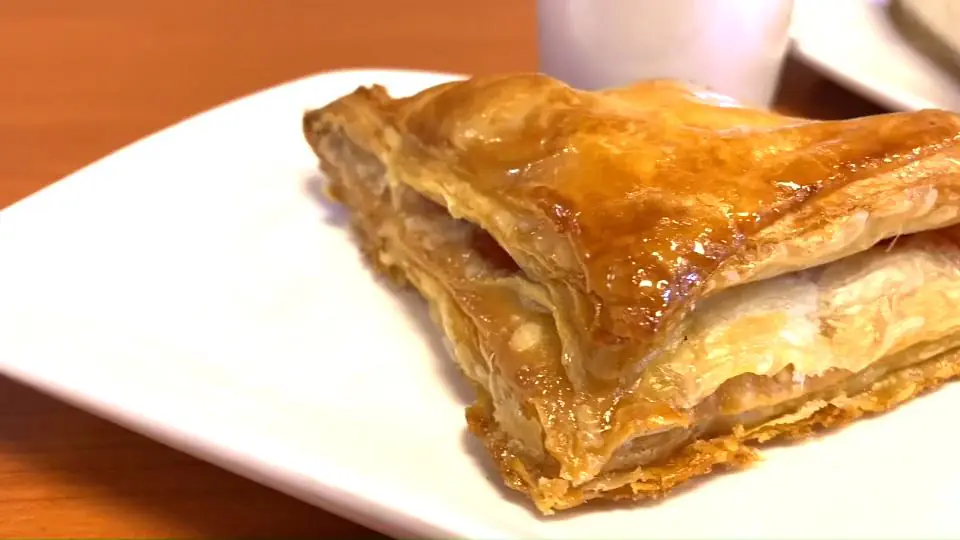
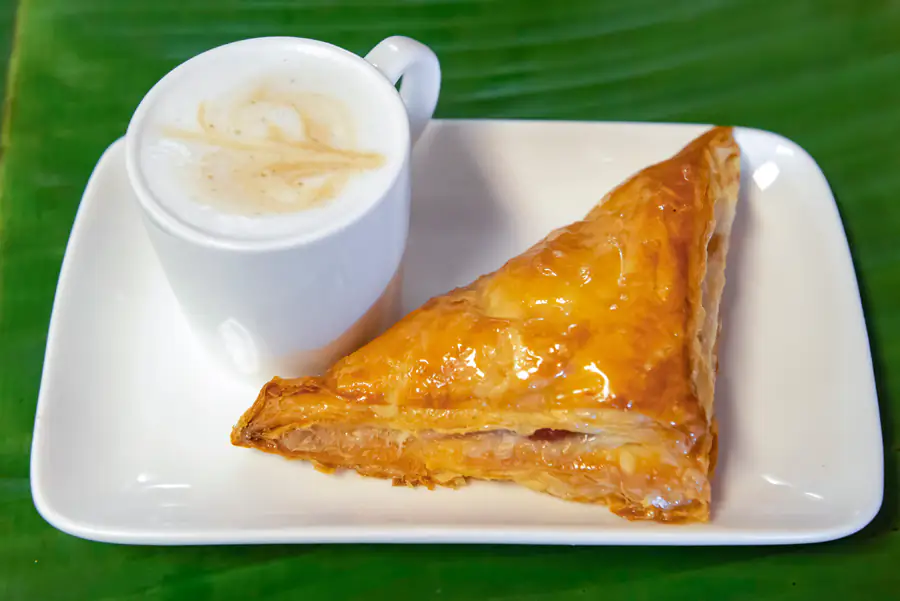
Pastries carry the same standard. Guava pastries, cheese pastries, coconut sweets, flaky turnovers, and cakes all depend on timing. A guava and cheese pastry that has sat too long loses contrast. The pastry softens, the filling flattens, and the whole thing tastes sweeter but less alive. Fresh from the oven, though, it becomes something else entirely. The fruit is bright, the cheese gives a little salt and richness, and the layers break apart in a way that feels generous rather than messy.
This is one reason a dependable Cuban bakery Aurora CO develops loyal customers instead of one-time visitors. The regular knows there is a real difference between a pastry bought at 8:30 in the morning and one left under a display light until midafternoon. A good bakery respects that difference and bakes in cycles that preserve the experience.
The food speaks with history, not nostalgia alone
People sometimes reduce Cuban bakery fare to comfort food, which is true only in part. Yes, it comforts. But the best versions also carry a history of migration, adaptation, and resilience. Recipes traveled through families, neighborhoods, and changing cities. They evolved based on available ingredients, equipment, and local demand. That is part of what makes the experience compelling. You are not just tasting sweetness or savoriness. You are tasting a food tradition that learned how to thrive far from its original home.
This matters in a city like Aurora, where diners often appreciate both authenticity and practicality. Customers may arrive with very different expectations. One grew up with Cuban breakfasts and wants a café con leche that tastes like childhood. Another has never tried a pastelito and wants something approachable but distinctive. A memorable bakery knows how to serve both people without diluting itself. It does not need to become generic to be welcoming.
That balance often shows up in the menu. Classic offerings remain the anchor, but there is room for thoughtful adaptation in portion size, spice level, and service style. A family might come in for a box of pastries to share after church. A construction worker might stop by for a substantial sandwich and strong coffee before heading to the next job. An office team might place a larger order because standard breakfast catering has gone stale. Each of those visits is different, but what binds them is the confidence that the food has character.
Great coffee changes the entire visit
It is impossible to separate a Cuban bakery from its coffee program. Even a strong pastry case feels incomplete without excellent coffee alongside it. The reason is not trend or branding. It is structural. Cuban-style coffee is part of the meal, part of the social exchange, and often part of the daily ritual that keeps customers anchored to a place over time.
A proper café cubano is small, concentrated, sweet, and direct. It is not trying to be subtle. It is trying to wake you up and sharpen the edges of the morning. Café con leche, by contrast, rounds things out. It softens the intensity and turns coffee into something longer, more companionable, more suited to a pastry and a few extra minutes at the table.
When a bakery handles coffee seriously, customers feel it right away. The shot is not bitter from neglect. The milk is not overheated into flatness. The sweetness is deliberate, not clumsy. These details matter because coffee can elevate the whole experience or expose weak execution. A dry pastry feels drier beside bad coffee. A fresh one becomes unforgettable beside a balanced cup.
The social side matters too. Good coffee creates pauses. People linger. Someone orders one extra pastry because the table is not in a hurry to get up yet. A regular sees a familiar face and shares a quick update on work, family, or weather. The bakery becomes more than a stop. It becomes a place where the day gathers itself.
The sandwich counter often seals the reputation
Many first-time customers walk into a bakery expecting sweets and bread, then discover that the sandwich counter is where loyalty is really formed. This is especially true with Cuban sandwiches and related lunch staples. People remember a good sandwich not because it was oversized, but because every layer had purpose.
A proper Cuban sandwich asks for discipline. The bread must hold up under pressing without becoming leathery. The roast pork needs seasoning and moisture, the ham should add depth instead of salt alone, the pickles need acidity, the mustard needs bite, and the cheese should melt into the seams rather than slide around as an afterthought. When all of that lands at once, it becomes the kind of lunch people think about at 10:30 in the morning.
That same logic applies to medianoche, croquetas, empanadas, and other savory options common to a strong Cuban bakery menu. Savory items broaden the bakery’s role in the community. Now it is not only where you go for breakfast or dessert. It is where you solve lunch, pick up something for a family gathering, or grab a quick meal that feels more satisfying than chain food.
There is a practical side here that experienced customers recognize. A bakery that can execute both sweets and savory food well usually has sound kitchen habits. It knows how to manage turnover, coordinate prep, and maintain quality during busy windows. You can often sense operational discipline in the food long before you see it in the back of house.
Familiar service leaves a deeper impression than polished branding
A memorable bakery does not need rehearsed charm. It needs attentive people who can read a room and help customers get what they actually want. In many neighborhood bakeries, the most powerful kind of service is familiarity. Staff members remember who likes strong coffee, who buys extra Cuban bread on Fridays, and who needs a dozen pastries boxed carefully for the office.
That style of service feels human because it is grounded in repetition, not scripts. It grows over dozens of short interactions. A first-time visitor may simply appreciate clear recommendations. A regular comes to value the ease of being recognized without ceremony.
There is also skill in guiding newcomers. Cuban bakery menus can be intimidating to someone who does not know the names. Good staff make that easy. They explain the difference between pastries, point out which items are best warm, and steer people toward combinations that make sense. They do not make a customer feel ignorant for asking what something is. That kind of confidence-building is part of why a place becomes memorable. People return where they felt welcomed, not tested.
Some of the most successful neighborhood food businesses share a trait that is easy to overlook. They are efficient without feeling rushed. Orders move, trays get restocked, coffee keeps pouring, and the line advances, but the atmosphere does not become cold. That balance takes practice. It is one reason a busy bakery can still feel generous.
The case display tells a story before anyone speaks
Food display is often treated as decoration, but in a bakery it functions more like a conversation. The arrangement of breads, pastries, sandwiches, and sweets tells customers what kind of place they are in. A sparse case can suggest poor timing or weak demand. An overloaded case can hint that products are sitting too long. The best displays look abundant yet active, as if they are being replenished because people are actually buying.
Color plays a role here. The amber crust of bread, the golden tops of pastries, the deep pink-red of guava filling, the pale richness of cheese, the glossy finish on certain sweets, and the dark line of espresso in clear cups all create appetite before the first bite. These are simple visual cues, but they shape expectation.
So does the condition of the display itself. Clean glass, legible labels, and orderly trays signal care. Customers may not verbalize it, yet they register it immediately. In food service, visible order suggests invisible competence. If the front is tended well, people assume the same care extends to the baking and cooking.
Why routine visits often become family traditions
Many food businesses talk about community, but bakeries are one of the few places where you can watch that idea take concrete form across generations. A grandparent introduces a grandchild to a favorite pastry. Parents bring home bread on weekends. Teenagers stop in after school for a sweet and a drink. Adults pick up boxes for birthdays, holidays, office celebrations, or long drives. Over time, the bakery becomes attached to family milestones without ever needing to advertise itself that way.
This is especially true in places where cultural food helps people maintain continuity. A Cuban bakery can serve as a point of recognition, even for people with mixed backgrounds or indirect connections to the cuisine. The rituals do not need to be elaborate. Sometimes memory attaches to very ordinary things: the paper bag getting warm in your hand, powdered sugar on the front seat of the car, the sound of a pressed sandwich being cut in half, or the first sip of coffee before anyone else in the house is awake.
What makes these moments powerful is their repeatability. A restaurant meal may feel special because it is occasional. A bakery earns devotion because it can become part of life every week, sometimes every day, without losing its appeal.
Quality shows up in small decisions
People usually identify memorable food by big flavors, but in practice quality often comes from small choices made consistently. In a Cuban bakery setting, those choices include how long dough rests, how fillings are portioned, how sugar is balanced, how coffee is extracted, and whether hot foods are held correctly instead of pushed past their best window.
Customers do not need to know the technical side to perceive the result. They taste it. They sense when a croquette has a crisp exterior instead of a greasy one. They notice when bread slices cleanly rather than tearing. They can tell when pork was cooked with patience instead of rushed into dryness.
Here are a few details that often separate a merely decent bakery from one people actively remember:
https://ameblo.jp/erickdjno565/entry-12983024012.html- Bread is baked in batches that match demand, not just convenience.
- Pastries are refreshed often enough to preserve texture.
- Coffee is treated as a core product, not an add-on.
- Savory items receive the same attention as sweets.
- Staff can recommend favorites with specificity, not vague enthusiasm.
None of those points are flashy. That is exactly why they matter. Lasting reputation is usually built on unglamorous consistency.
The bakery works for both quick stops and slow mornings
Versatility is another reason people come back. A memorable bakery can meet different kinds of needs without losing its identity. Some customers want to be in and out in five minutes with coffee and bread. Others want to sit for a while, share pastries, and turn breakfast into part of the weekend. The best bakeries support both.
That flexibility is harder than it sounds. If service moves too slowly, quick-stop customers disappear. If everything feels transactional, the place loses warmth and people stop lingering. The strongest neighborhood bakeries manage a useful middle ground. They are lively enough to feel current and comfortable enough to feel rooted.
This matters in Aurora, where a bakery may serve commuters, local families, nearby workers, and people driving across town specifically for familiar food. Each group uses the space differently. A bakery that can absorb those patterns gracefully becomes part of the area’s daily infrastructure, not just another storefront.
Value is about satisfaction, not just price
People often discuss bakery value in terms of portion size and cost, but satisfaction is the better measure. A memorable bakery visit feels worth it because the products deliver more than calorie count. They offer quality, reliability, and a sense that the purchase made the day better.
That does not mean price is irrelevant. Customers notice when costs rise, and bakeries feel pressure from ingredient volatility, labor, rent, and waste. Butter, eggs, meat, coffee, flour, and sugar do not stay stable forever. Good operators have to make trade-offs. They may simplify packaging, tighten the menu, adjust batch sizes, or increase prices modestly rather than cutting ingredient quality. Regulars usually respect those choices when the standards remain high.
That is another quiet marker of trust. People will pay a little more for a bakery they believe in, especially when they know cheaper alternatives deliver less freshness and less care.
Some visits stay with you because of a single perfect item
Not every memorable bakery experience is large or elaborate. Sometimes it comes down to one item eaten at exactly the right moment. A still-warm piece of Cuban bread torn open in the car. A guava pastry with the filling just loose enough to shine. A café con leche that lands after a cold morning. A pressed sandwich with the crust at the precise point between crackle and chew.
These details may sound small, but they are the reason people recommend places to friends with unusual conviction. They do not describe the visit in marketing language. They say, you have to try the bread when it is fresh, or get the pastry early, or do not leave without the coffee. That specificity is the language of genuine reputation.
When people talk about a Cuban bakery Aurora CO in those terms, they are not only praising flavor. They are describing a place that has entered their routines and earned space in memory.
What first-time visitors tend to appreciate most
A newcomer usually notices a few things quickly, even if they have never stepped into a Cuban bakery before. The strongest first impression often comes from a combination of sensory clarity and helpful guidance. When both are present, the experience feels easy.
For anyone visiting for the first time, these tend to be the moments that leave the strongest mark:
- The aroma of fresh bread and coffee right at the door.
- A pastry case that looks active rather than static.
- Staff who explain menu items without rushing.
- Savory and sweet options that both feel worth ordering.
- Food that tastes distinct, not generic or overprocessed.
That combination is what turns curiosity into return business.
Why memorable places rarely happen by accident
No bakery becomes memorable simply because the cuisine itself is beloved. A strong tradition helps, but execution is everything. The shops people keep returning to are the ones that respect the fundamentals every day, even when the work is repetitive and physically demanding.
Baking begins early. Prep can be exacting. Waste has to be controlled. Demand can swing with weather, events, and holidays. Staff have to stay quick during rushes and patient with first-time customers. Equipment breaks. Deliveries arrive late. Ingredients vary by season and supplier. Yet the customer walking in at 9:15 on a Tuesday still expects the same quality they had last month. Meeting that expectation over and over is serious craft.
That is what makes a great Cuban bakery so easy to underestimate. On the surface, it feels effortless. The bread is ready, the pastries gleam, the coffee pours, the sandwich press hisses, and the room smells exactly the way you hoped it would. Behind that ease is discipline.
A memorable visit to a Cuban bakery Aurora CO comes from that discipline meeting something warmer and harder to quantify: cultural pride, neighborhood familiarity, and the pleasure of food made with conviction. People return for the pastries, the bread, the coffee, and the sandwiches. They stay loyal because the place gives them something steadier than novelty. It gives them a reliable kind of satisfaction, the kind that feels just as good on a rushed Wednesday as it does on a slow Sunday morning.
Cuba Bakery & Café
15028 E Mississippi Ave, Aurora, CO 80012
+1 303-752-2822
FAQ About Cuban bakery Aurora CO
What are Cuban pastries called?
Many small Cuban pastries are called pastelitos. They can have sweet or savory fillings, such as guava, cheese, guava and cheese, or seasoned meat. Cuba Bakery & Café lists guava, cheese, guava-and-cheese and beef pastries on its menu. Ask the bakery about current availability and ingredients when ordering.
What are traditional Cuban pastries?
Common Cuban bakery choices include flaky pastelitos filled with guava, cheese or meat. Cuban bakeries may also offer empanadas, breads and desserts alongside coffee. Cuba Bakery & Café lists pastelitos, several empanada fillings, pan Cubano and desserts such as tres leches and bread pudding. Selection can vary, so confirm the day's choices with the bakery.
What makes Cuban bread different?
Cuban bread is known for its light interior and a thin crust that becomes crisp when toasted or pressed. Traditional recipes often use lard, although ingredients vary by baker. It is commonly served as buttered toast or used for Cuban sandwiches. Cuba Bakery & Café lists pan Cubano and tostada on its menu; ask staff about the ingredients in their bread if you have dietary restrictions.